What is Oats Flour

Oats flour is a type of flour made from ground oats, specifically from whole oat groats or rolled oats. It has a slightly sweet and nutty flavor and is known for its nutritional benefits. Oats are a good source of fiber, protein, vitamins, and minerals, making oat flour a nutritious alternative to traditional wheat flour.
To make oat flour, oats are ground into a fine powder using a blender or food processor. The resulting flour can be used in various recipes, such as baking bread, muffins, pancakes, and other baked goods. It is a popular choice for those looking to incorporate whole grains into their diet or for those who have gluten sensitivity, as oats are naturally gluten-free.
Oat flour is also commonly used in gluten-free baking to create a texture similar to wheat-based products. It adds a moist and tender crumb to baked goods and can be used on its own or in combination with other gluten-free flours to achieve the desired consistency in recipes.
Other Names of Oats Flour
Oat flour may be referred to by different names depending on regional variations or specific processes used in its production. Some alternative names for oat flour include:
- Oatmeal Flour: Oatmeal is essentially coarsely ground oats, and in some contexts, oatmeal flour may refer to finely ground oats, similar to oat flour.
- Rolled Oat Flour: If made from rolled oats, the flour might be labeled as rolled oat flour.
- Ground Oats: This term is straightforward and simply indicates that the oats have been ground into a flour-like consistency.
- Oat Bran Flour: If the flour is made from just the outer layer of the oat kernel (the bran), it might be called oat bran flour.
- Whole Oat Flour: This term emphasizes that the flour is made from the entire oat kernel, including the bran, endosperm, and germ.
- Fine Oat Flour: This descriptor indicates that the oat flour has a fine texture, suitable for baking.
- Oat Powder: Another term that might be used to describe finely ground oats.
When purchasing oat flour, it’s always a good idea to check the product label to understand the specific type of oat flour and the milling process used in its production. Additionally, some commercial brands may have their own trademarked names for oat flour variations.
Nutritional Value of Oats Flour
The nutritional value of oat flour can vary slightly depending on factors such as the specific type of oats used and whether the flour is fortified. Below is a general representation of the nutritional content of oat flour per 100 grams:
| Nutrient | Amount per 100g |
|---|---|
| Calories | 389 kcal |
| Protein | 17 g |
| Fat | 7 g |
| – Saturated Fat | 1 g |
| – Monounsaturated Fat | 2.2 g |
| – Polyunsaturated Fat | 2.5 g |
| Carbohydrates | 66 g |
| – Dietary Fiber | 10.6 g |
| – Sugars | 1 g |
| Vitamins & Minerals | |
| – Vitamin B1 (Thiamine) | 0.8 mg |
| – Vitamin B3 (Niacin) | 0.6 mg |
| – Folate | 56 mcg |
| – Iron | 4.7 mg |
| – Magnesium | 177 mg |
| – Phosphorus | 523 mg |
| – Potassium | 429 mg |
| – Zinc | 4 mg |
| – Manganese | 4.9 mg |
These values are approximate and can vary based on the brand of oat flour and any additional fortification. Oat flour is known for being a good source of dietary fiber, particularly beta-glucans, which have been associated with various health benefits. It also provides essential nutrients like protein, vitamins, and minerals.
Benefits of Oats Flour

Oat flour offers several health benefits due to its nutritional composition. Here are some of the key advantages:
- Rich in Fiber: Oat flour is an excellent source of soluble fiber, particularly beta-glucans. Soluble fiber can help improve digestion, regulate blood sugar levels, and contribute to heart health by reducing cholesterol levels.
- Heart Health: The beta-glucans in oats have been linked to a reduced risk of cardiovascular disease. They can help lower total and LDL (bad) cholesterol levels, which is beneficial for heart health.
- Gluten-Free Option: Oats are naturally gluten-free, making oat flour a suitable alternative for those with gluten sensitivity or celiac disease. However, cross-contamination can occur during processing, so it’s essential to choose certified gluten-free oat products if needed.
- Balanced Macronutrients: Oat flour contains a good balance of macronutrients, including protein, healthy fats, and complex carbohydrates. This balance can contribute to sustained energy levels and satiety.
- Nutrient-Rich: Oats are rich in various vitamins and minerals, such as manganese, phosphorus, magnesium, and B-vitamins (like thiamine and niacin). These nutrients play essential roles in energy metabolism, bone health, and overall well-being.
- Weight Management: The high fiber content of oat flour can promote a feeling of fullness and reduce overall calorie intake. This can be beneficial for weight management by helping control appetite.
- Stable Blood Sugar Levels: The soluble fiber in oat flour can help regulate blood sugar levels by slowing down the absorption of glucose. This is particularly beneficial for individuals with diabetes or those aiming to manage their blood sugar.
- Antioxidant Properties: Oats contain antioxidants, including avenanthramides, which have anti-inflammatory and potential anti-itching properties. These antioxidants contribute to overall health and may have protective effects against oxidative stress.
- Digestive Health: The fiber in oat flour supports a healthy digestive system by promoting regular bowel movements and preventing constipation.
- Versatility in Cooking: Oat flour can be used in a variety of recipes, from baked goods like muffins and pancakes to savory dishes like breaded coatings for meats. This versatility makes it easy to incorporate into a balanced and varied diet.
Varieties of Oats Flour
Oat flour is typically made from various types of oats, and the specific variety can influence the texture, flavor, and nutritional content of the resulting flour. Here are some common varieties of oats used to make oat flour:
- Whole Oat Flour: This is made from grinding whole oat groats, including the bran, endosperm, and germ. It retains all parts of the oat kernel, providing a robust flavor and a higher nutritional content.
- Rolled Oat Flour: Rolled oats, also known as old-fashioned oats, are steamed and then flattened with large rollers. Grinding these flattened oats creates rolled oat flour. It has a slightly smoother texture compared to whole oat flour.
- Steel-Cut Oat Flour: Steel-cut oats are whole oat groats that have been chopped into pieces. Grinding steel-cut oats produces a flour with a coarser texture compared to rolled oat flour. It has a nuttier flavor and maintains a bit of the chewiness characteristic of steel-cut oats.
- Instant Oat Flour: Instant oats are pre-cooked and then dried before being rolled thin. Instant oat flour is made by grinding these pre-cooked oats. It tends to have a finer texture and cooks more quickly than other oat flours.
- Gluten-Free Oat Flour: While oats are naturally gluten-free, cross-contamination can occur during processing. Certified gluten-free oat flour is produced in facilities that carefully avoid contact with gluten-containing grains, making it safe for individuals with gluten sensitivity or celiac disease.
- Organic Oat Flour: Organic oat flour is made from oats that are grown without synthetic pesticides or fertilizers. It adheres to organic farming standards, providing an option for those who prefer organic products.
- Quick Oat Flour: Quick oats are rolled oats that are cut into smaller pieces for faster cooking. Grinding these quick oats results in a flour with a finer texture compared to regular rolled oat flour.
When purchasing oat flour, it’s essential to check the product label to determine the specific type of oats used and whether any additional processing or fortification has occurred. The choice of oat flour depends on personal preference and the desired outcome in recipes.
What Does Oats Flour Taste Like
Oat flour has a distinct taste that can be described as mildly sweet, nutty, and earthy. The flavor is often more pronounced compared to regular all-purpose wheat flour. The specific taste can vary depending on the type of oats used to make the flour and the milling process.
Here are some characteristics of the taste of oat flour:
- Sweetness: Oat flour has a natural sweetness that comes from the oats themselves. This sweetness is generally subtle and can complement both sweet and savory recipes.
- Nutty Flavor: Oat flour has a nutty undertone, contributing to its overall flavor profile. This nuttiness can add depth to baked goods, especially when combined with other ingredients.
- Earthy Notes: Oats have an earthy quality that can be detected in oat flour. This earthiness can be particularly noticeable in recipes where oat flour is a primary ingredient.
- Slight Chewiness: Depending on the type of oats used (such as steel-cut oats), oat flour may impart a subtle chewiness to baked goods. This characteristic can be desirable in certain recipes, adding texture and mouthfeel.
- Versatility: Oat flour’s flavor is versatile, allowing it to be used in a variety of recipes, both sweet and savory. It pairs well with fruits, nuts, spices, and other ingredients commonly found in baking.
How to Make Oats Flour
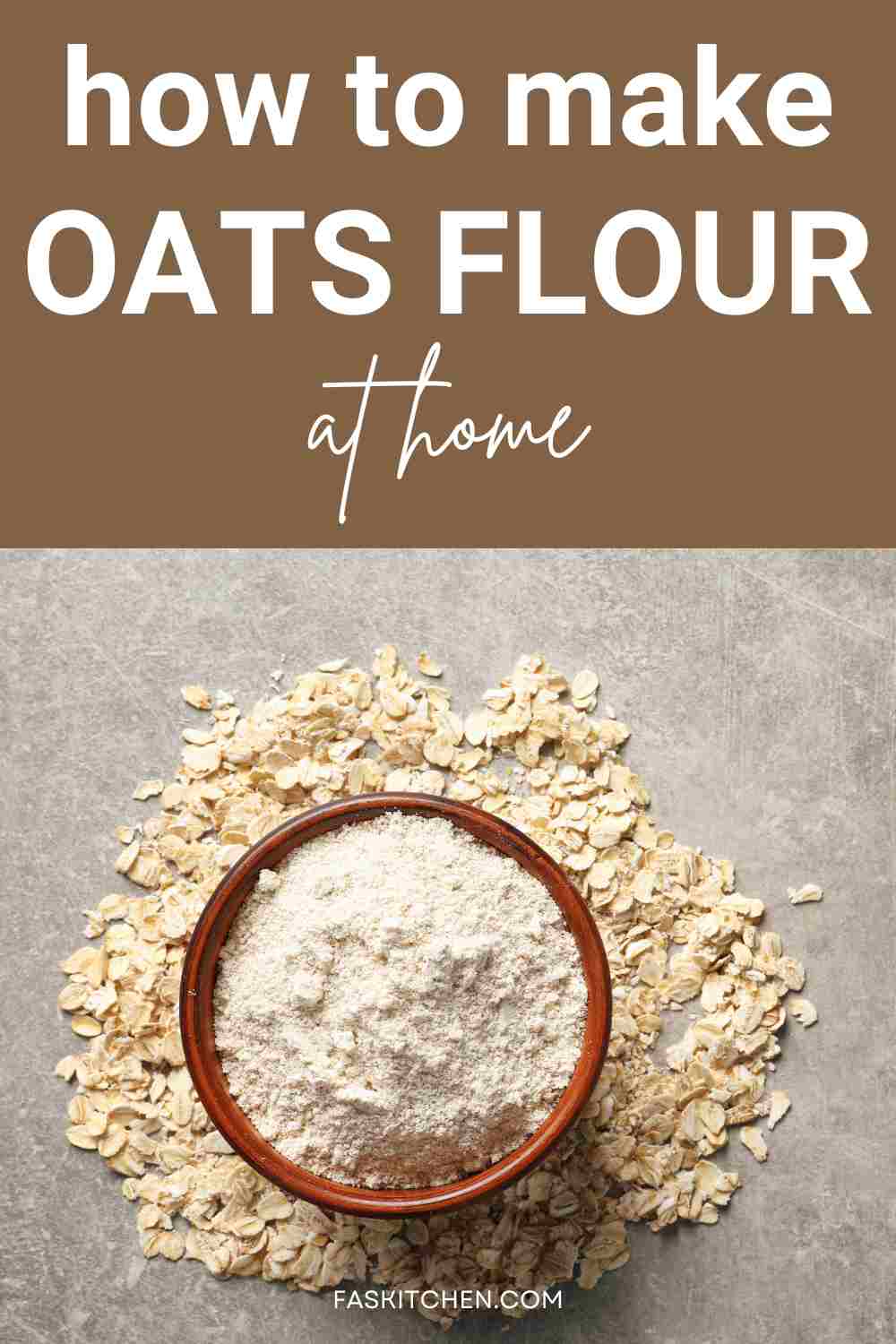
Making oat flour at home is a simple process that requires only one ingredient: oats. You can use either whole oat groats or rolled oats, depending on your preference. Here’s a basic guide on how to make oat flour at home:
Ingredients and Equipment:
- Whole oat groats or rolled oats
Instructions:
- Select Your Oats:
- You can use whole oat groats for a more robust flavor and texture, or you can use rolled oats for a smoother flour.
- Ensure that your oats are labeled as gluten-free if you need a gluten-free option.
- Measure the Oats:
- Depending on how much oat flour you need, measure out the desired amount of oats.
- Blend the Oats:
- Use a high-quality blender or food processor to grind the oats into a fine powder. A powerful blender works best for a smoother flour.
- You may need to grind the oats in batches to ensure even consistency.
- Grind to Desired Texture:
- Blend the oats until you achieve the desired texture. For a finer flour, continue blending for a longer time. If you prefer a coarser texture, a shorter blending time may be sufficient.
- Sift (Optional):
- If you want an extra-fine flour, you can sift the ground oats using a fine mesh sieve or a flour sifter. This step is optional and depends on your preference.
- Store the Oat Flour:
- Transfer the oat flour to an airtight container for storage. Keep it in a cool, dry place or in the refrigerator to maintain freshness.
Tips:
- Blender Speed: If using a blender, start at a low speed and gradually increase to prevent the flour from overheating. High-speed blending can generate heat and affect the texture of the flour.
- Batch Size: Grinding oats in smaller batches ensures a more even texture. Overloading the blender or food processor can result in uneven flour.
- Experiment: Feel free to experiment with the ratio of whole oat groats to rolled oats to achieve the texture and flavor you prefer.
Now you have freshly made oat flour ready to use in your favorite recipes, whether it’s for baking, cooking, or thickening sauces and soups. Homemade oat flour can add a wholesome and nutritious element to your dishes.
How To Use Oats Flour
Oat flour is a versatile ingredient that can be used in a variety of recipes, both sweet and savory. Here are some ideas on how to use oat flour in your cooking and baking:
Baking:
- Pancakes and Waffles:
- Substitute part or all of the wheat flour in your pancake or waffle batter with oat flour for a nutty flavor and added nutrition.
- Muffins and Quick Breads:
- Use oat flour in place of some or all of the all-purpose flour in muffin or quick bread recipes. It adds a hearty texture and enhances the flavor.
- Cookies:
- Replace a portion of the all-purpose flour with oat flour in cookie recipes. Oat flour can contribute a chewy texture and a subtle sweetness.
- Biscuits and Scones:
- Add oat flour to biscuit or scone recipes for a heartier texture. It pairs well with fruits and nuts in these baked goods.
- Pie Crusts:
- Mix oat flour with other flours or use it on its own to make a delicious and nutty pie crust.
Cooking:
- Coatings for Meat and Vegetables:
- Use oat flour as a coating for chicken, fish, or vegetables before baking or frying. It adds a crispy texture and nutty flavor.
- Thickening Agent:
- Oat flour can be used as a thickening agent for soups, stews, and sauces. It imparts a subtle oat flavor while adding thickness.
- Homemade Granola:
- Incorporate oat flour into your homemade granola mixture for added nutrition and a slightly different texture.
- Oat Flour Porridge:
- Cook oat flour with milk or water to create a porridge. Top it with your favorite fruits, nuts, or sweeteners for a nutritious breakfast.
- Oat Flour Crepes:
- Make crepes using a combination of oat flour and other flours. Fill them with sweet or savory fillings.
Tips:
- Combine with Other Flours: Oat flour can be used on its own, but it also combines well with other flours like almond flour, coconut flour, or whole wheat flour for diverse flavor profiles.
- Adjust Liquid Content: Oat flour absorbs more liquid than some other flours, so you may need to adjust the liquid content in your recipes accordingly.
- Experiment: Don’t hesitate to experiment with oat flour in your favorite recipes. Start by substituting a portion of the flour with oat flour and adjust based on your taste preferences.
Using oat flour not only adds a distinct flavor and texture to your recipes but also provides the nutritional benefits of oats, including fiber, protein, and essential minerals.
Substitute for Oats Flour
If you’re looking for a substitute for oat flour in a recipe due to dietary restrictions, preferences, or availability, there are several alternatives you can consider. The choice of substitute depends on the specific characteristics you’re seeking in the final dish. Here are some common substitutes for oat flour:
- Wheat Flour:
- All-purpose flour or whole wheat flour can be used as a substitute. Keep in mind that these flours contain gluten, so they may not be suitable for individuals with gluten sensitivities or celiac disease.
- Almond Flour:
- Almond flour is a gluten-free alternative that adds a nutty flavor to baked goods. It works well in recipes where a slightly denser texture is acceptable.
- Coconut Flour:
- Coconut flour is another gluten-free option with a unique flavor. It is highly absorbent, so you’ll typically need to use less of it and adjust the liquid content in the recipe.
- Rice Flour:
- Rice flour, whether white or brown, can be a suitable substitute. It has a neutral flavor and works well in many recipes.
- Quinoa Flour:
- Quinoa flour is gluten-free and has a slightly nutty flavor. It can be used as a one-to-one substitute for oat flour in many recipes.
- Buckwheat Flour:
- Despite its name, buckwheat is gluten-free and can be ground into flour. It has a distinctive flavor and works well in recipes like pancakes and muffins.
- Chickpea Flour (Garbanzo Bean Flour):
- Chickpea flour is gluten-free and has a slightly nutty taste. It’s often used in savory dishes, such as flatbreads and savory pancakes.
- Sorghum Flour:
- Sorghum flour is gluten-free and has a mild flavor. It works well in a variety of recipes, providing a texture similar to wheat flour.
- Cornmeal or Corn Flour:
- Cornmeal or corn flour can be used in certain recipes, particularly in baked goods where a slightly gritty texture is acceptable.
- Hazelnut Flour:
- Hazelnut flour is gluten-free and adds a rich, nutty flavor. It can be used in combination with other flours in recipes.
When substituting, keep in mind that each flour has its unique characteristics, and the final result may vary. It’s a good idea to experiment with small batches to determine the best substitute for your specific recipe and taste preferences.
Where to Buy Oats Flour
You can find oat flour in various grocery stores, health food stores, and online retailers. Here are some common places where you can purchase oat flour:
- Grocery Stores:
- Many well-stocked grocery stores carry oat flour, especially in the baking or health food section. Look for it alongside other flours or in the gluten-free aisle.
- Health Food Stores:
- Specialty health food stores or natural food stores often carry a variety of alternative flours, including oat flour.
- Supermarkets:
- Larger supermarkets and chain stores may have oat flour in their baking or specialty food sections. Check the labels to ensure you’re getting the type of oat flour you want (e.g., gluten-free if needed).
- Online Retailers:
- Numerous online retailers offer oat flour for purchase. Websites like Amazon, Thrive Market, Walmart, and specialty health food stores’ online platforms provide a wide selection.
- Bulk Food Stores:
- Some bulk food stores allow you to purchase oat flour in the quantity you need. This can be a cost-effective option, especially if you use oat flour frequently.
- Farmers’ Markets:
- Depending on your location, local farmers’ markets or specialty food markets may have vendors selling oat flour.
- Specialty Baking Stores:
- Stores that focus on baking supplies and ingredients may carry oat flour. Check with specialty baking shops or stores that cater to those with specific dietary preferences.
- Organic Food Stores:
- If you prefer organic products, organic food stores or co-ops often carry a variety of alternative flours, including organic oat flour.
When purchasing oat flour, be sure to check the label for any additional ingredients or processing methods, especially if you have specific dietary requirements. Additionally, if you’re looking for gluten-free oat flour, choose a product labeled as such to ensure it has been processed to avoid cross-contamination with gluten-containing grains.
How To Store Oats Flour
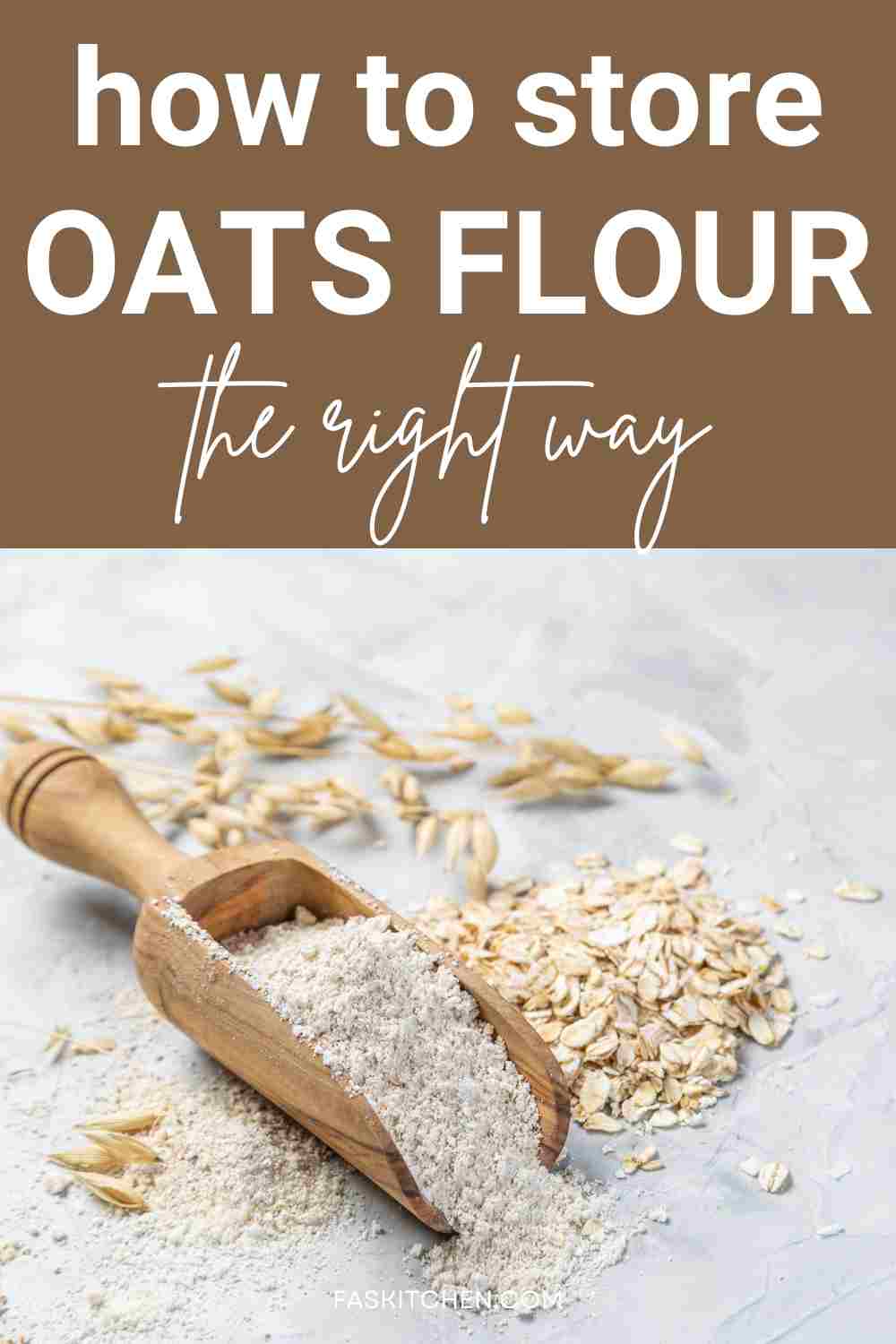
Proper storage helps maintain the freshness and quality of oat flour. Here are some guidelines on how to store oat flour:
- Airtight Container:
- Transfer the oat flour to an airtight container with a secure lid. This helps prevent moisture and air from affecting the flour.
- Cool, Dark Place:
- Store the container in a cool, dark place. Avoid exposing oat flour to direct sunlight or heat, as these factors can lead to the degradation of its nutritional content and quality.
- Refrigeration or Freezing (Optional):
- While oat flour does not require refrigeration, storing it in the refrigerator or freezer can extend its shelf life. This is especially beneficial if you live in a warm or humid climate. Be sure to use a well-sealed container or a resealable plastic bag to prevent moisture absorption.
- Labeling:
- Label the container with the date of purchase or the date when you made the oat flour. This helps you keep track of its freshness.
- Avoid Contamination:
- Ensure that the container and any utensils used to handle the oat flour are clean and dry. Contamination can affect the quality of the flour over time.
- Check for Signs of Spoilage:
- Periodically check the oat flour for any signs of spoilage, such as off smells, discoloration, or the presence of insects. If you notice any of these signs, it’s advisable to discard the flour.
- Use within a Reasonable Timeframe:
- While oat flour doesn’t spoil quickly, it’s generally a good practice to use it within a reasonable timeframe to enjoy the best quality. The shelf life can vary, but using it within 6-12 months is a common guideline.
By following these storage tips, you can keep your oat flour fresh and ready for use in various recipes. Proper storage not only preserves the flavor and texture but also helps maintain the nutritional benefits of oat flour.
Frequently Asked Questions (FAQs) About Oats Flour
Is oat flour gluten-free?
Oats are inherently gluten-free, but they can be contaminated with gluten during processing. If you need gluten-free oat flour, look for products labeled as such to ensure they have been processed in a gluten-free facility.
Can I substitute oat flour for all-purpose flour in recipes?
Yes, you can often substitute oat flour for all-purpose flour in recipes. Keep in mind that oat flour has a different texture and flavor, so it’s best to start by replacing a portion of the all-purpose flour and adjusting based on your preferences.
How do I make oat flour at home?
To make oat flour at home, simply grind whole oat groats or rolled oats in a blender or food processor until you achieve a fine powder. You can sift the flour for a smoother texture if desired.
Can I use oat flour in savory recipes?
Yes, oat flour can be used in savory recipes. It works well as a coating for meats, in savory pancakes or crepes, and as a thickening agent in soups and sauces.
How do I store oat flour?
Store oat flour in an airtight container in a cool, dark place. While refrigeration or freezing is optional, it can extend the shelf life, especially in warm or humid environments.
Can I use oat flour in gluten-free baking?
Yes, oat flour is commonly used in gluten-free baking. Ensure you are using certified gluten-free oat flour if you have gluten sensitivity or celiac disease.
Does oat flour have the same texture as wheat flour?
Oat flour has a slightly different texture compared to wheat flour. It adds a tender and moist crumb to baked goods and may impart a subtle chewiness, especially if using coarser varieties like steel-cut oat flour.
Can I use oat flour as a 1:1 substitute for other flours?
Oat flour can be used as a substitute in many recipes, but a 1:1 substitution may not always be suitable due to its unique characteristics. Experiment by replacing a portion of the flour and adjusting as needed.
Leave a Reply